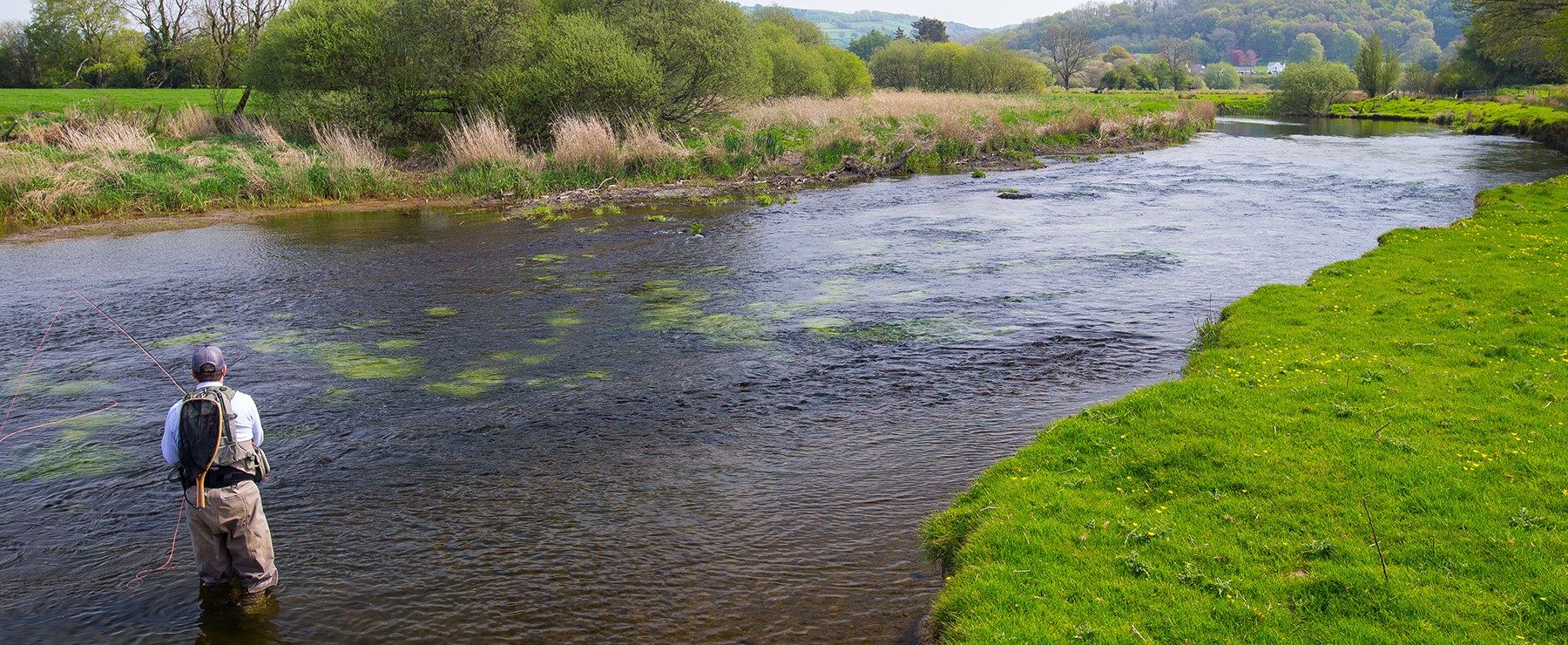
With some 30 miles (50km) of prime fishing on the River Teifi, Llandysul Angling Association provides top-class game fishing opportunities for local people and those from further afield. Some of our long-standing members and regular visitors come from mainland Europe, the Middle East and even as far away as Australia and Japan to fish on the famous River Teifi.
Every year we run Welcome Day events to introduce potential and new members to the club, its fisheries and local services (such as meals and accommodation) that make holidays on our river something very special to look forward to. These events include:
Full details are in our e-brochure - download as a Word file... or as a PDF...
Please accept our apologies for any inconvenience during the restructuring of this website, during which time some parts may not be fully functional. It won't be long before it's all fixed...


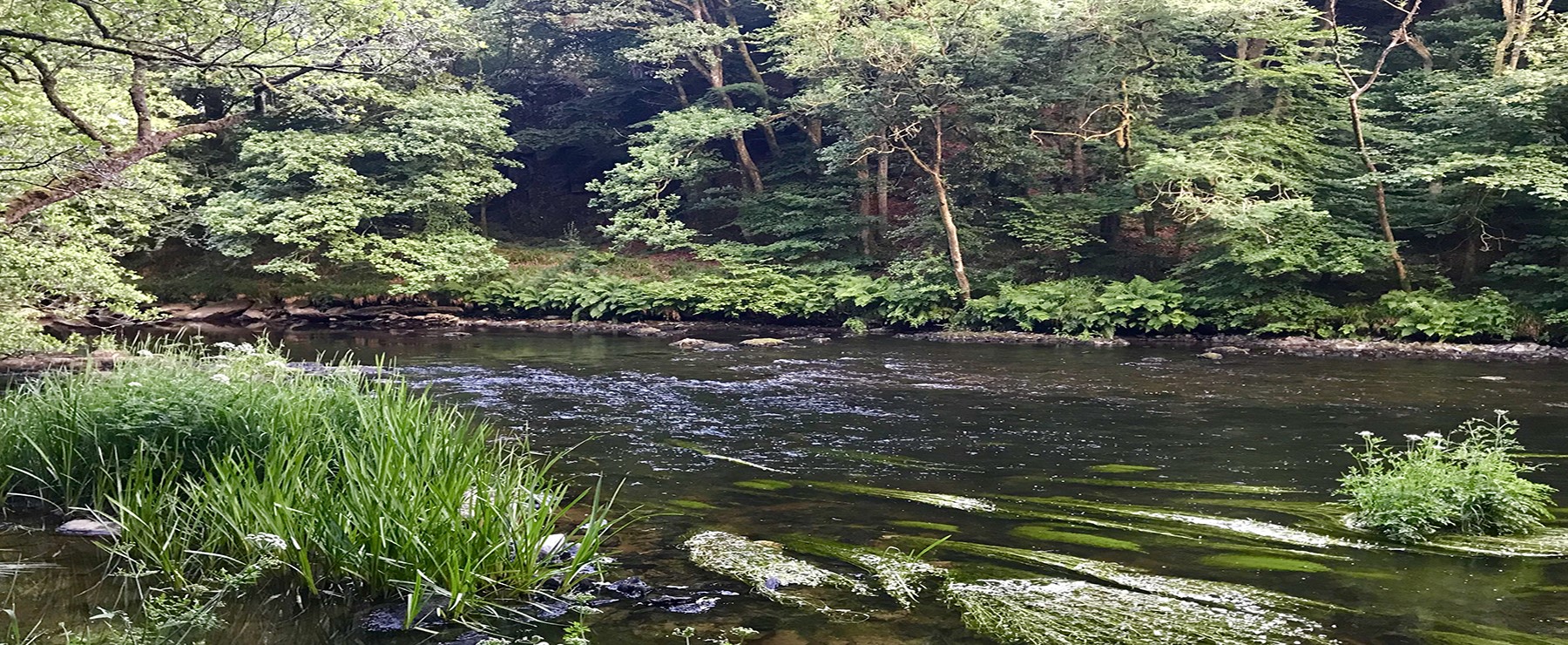
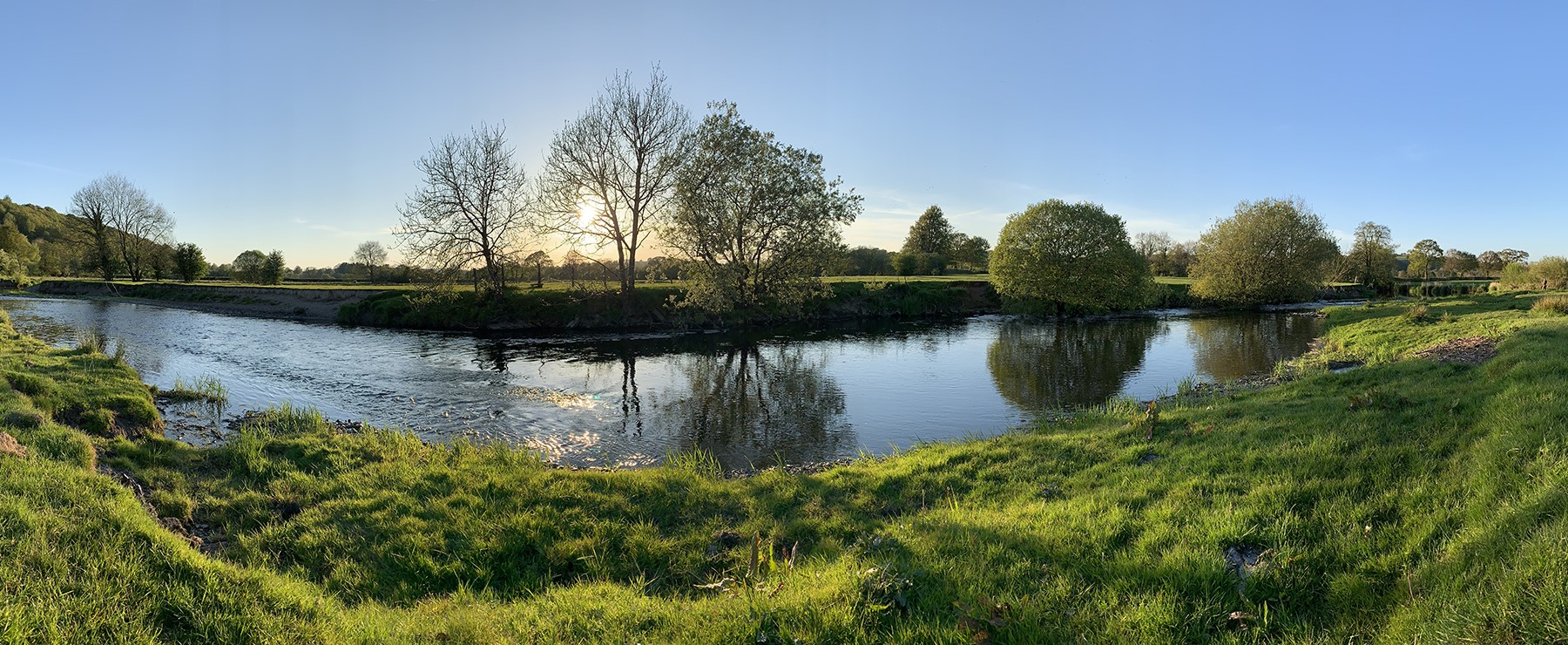
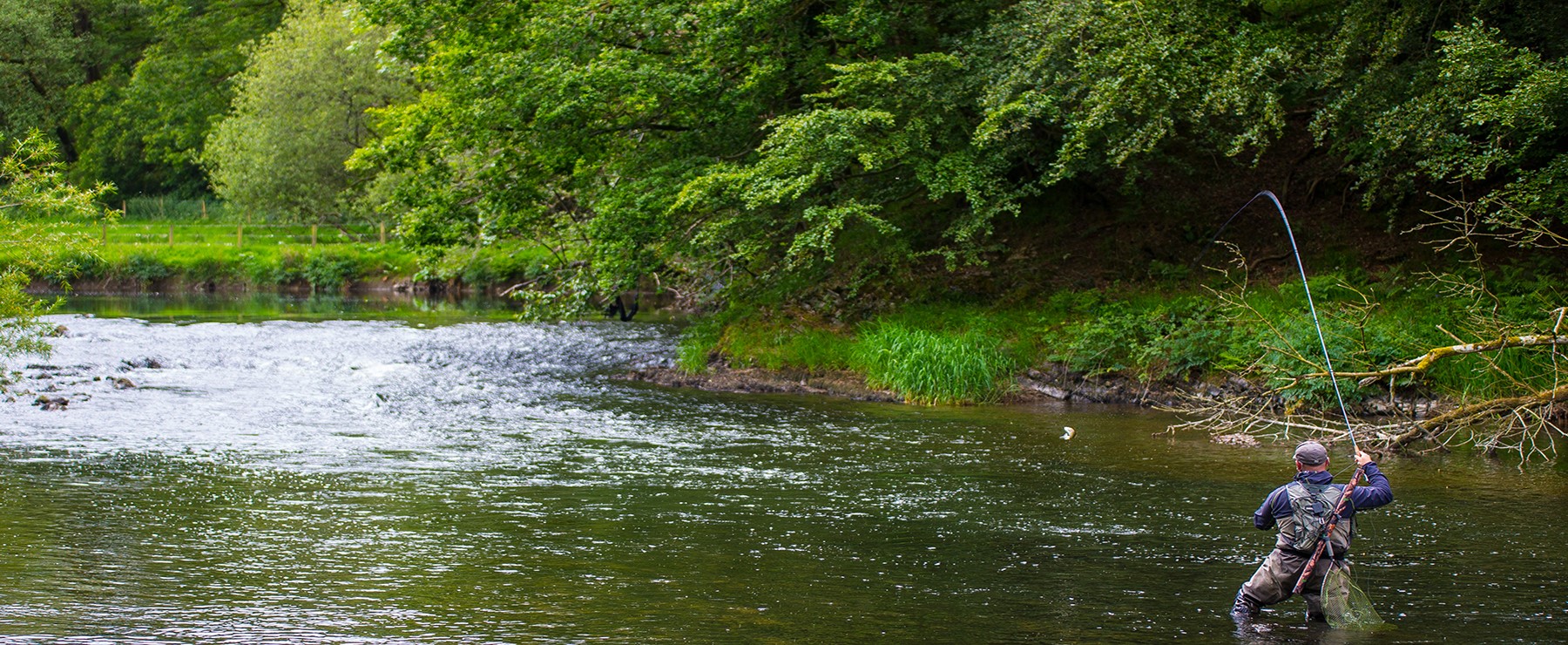
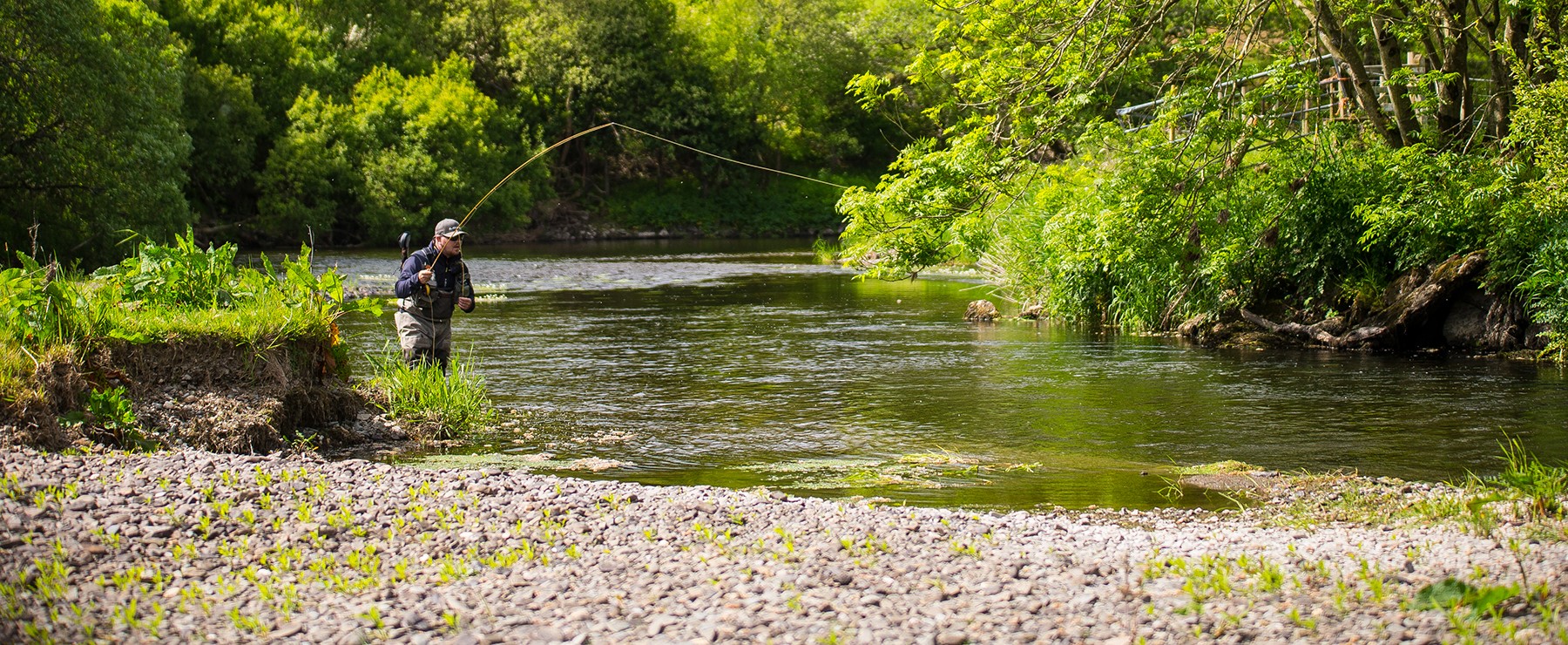
The River Teifi at Cenarth Falls (left) and at Maesycruigiau (right)
Flowing over seventy miles from a source 1500 feet up in the Cambrian Mountains to its estuary at Cardigan, the Teifi, Queen of Game Fishing Rivers, is both wild and beautiful.
Racing over shallows just a few inches deep, roaring with white water through narrow rocky gorges, cascading over waterfalls and drifting lazily through dark pools flanked by lush meadows - what river can challenge the Teifi for scenic beauty?


The Teifi Estuary seen from Gwbert-on-sea (left) and the Teifi at Lampeter Bridge (right))
The River Teifi is unique among Welsh rivers in providing top quality sport for all species of game fishes - salmon, trout and sea trout (or sewin, as these migratory trout are called here in Wales). Indeed, in some areas of the upper reaches, the Teifi even provides the occasional grayling.
The Teifi estuary is a haven for wildlife. Seals, dolphins and porpoises are a common sight from the rocks at Gwbert-on-Sea and from the beach at Poppit Sands.
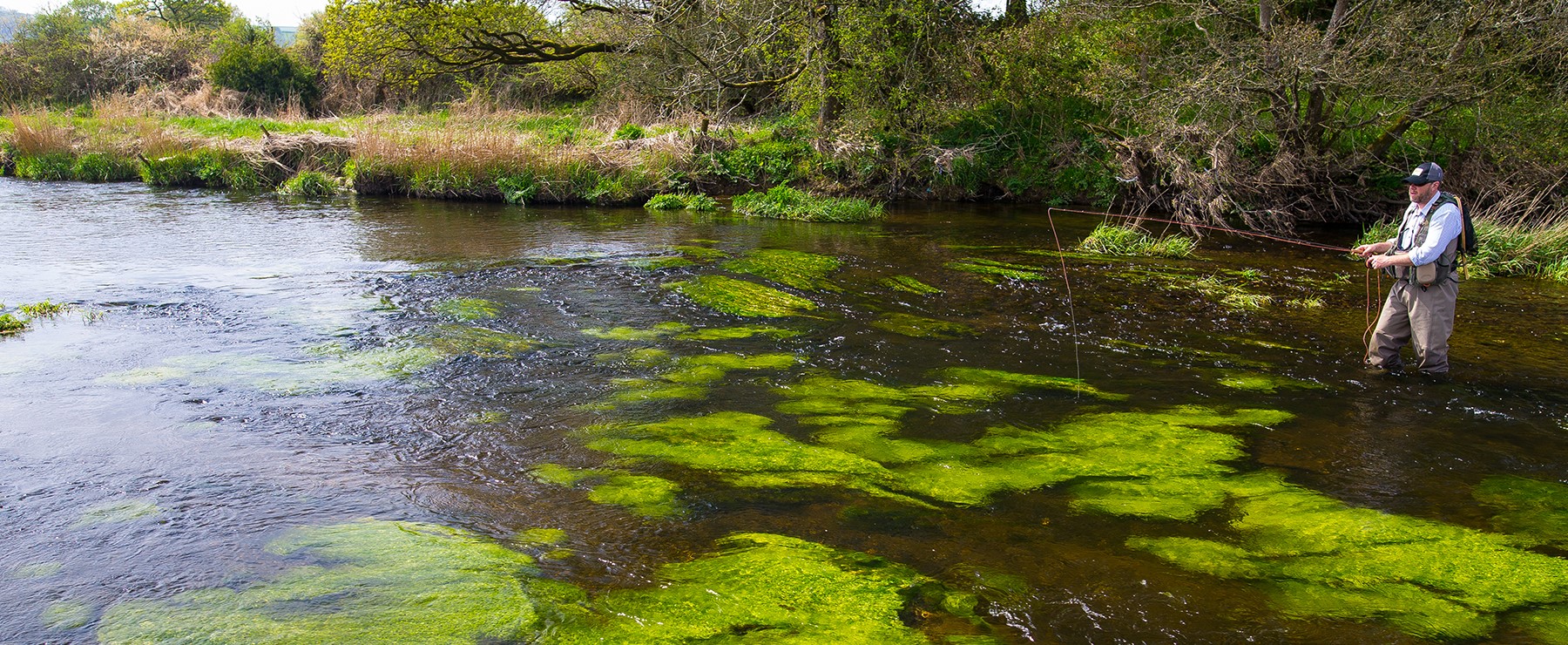
The best times for trout fishing are mid March to late June and mid August until the season closes at the end of September. Nymph fishing in the pools and glides is effective during the mornings, but once the hatches start, the dry fly is great fun and very productive. But move stealthily, for these wild trout are easily spooked and rarely allow you a second chance if you startle them with a sudden move or clumsy cast.
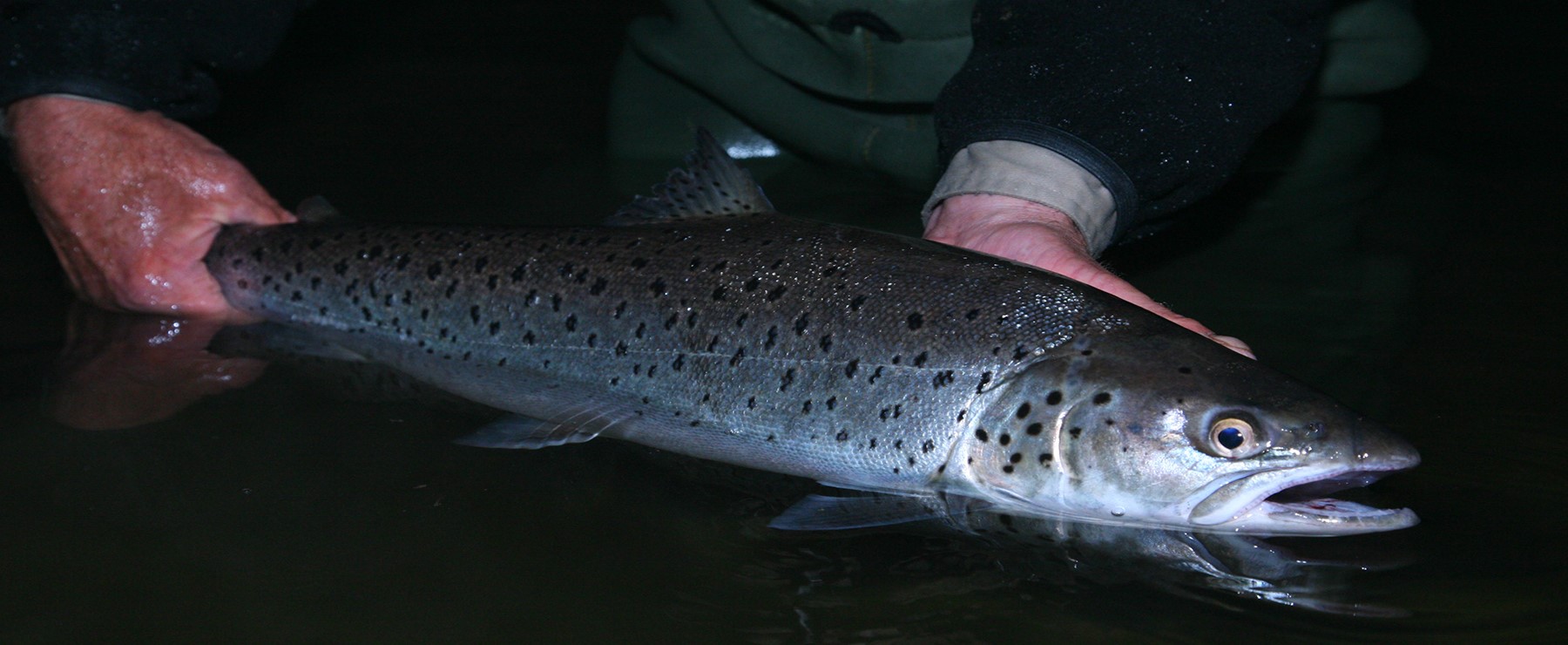
Each year the Teifi produces a few sewin of between 12 and 15 pounds. These leviathans are usually caught in April and May, but you can connect with a monster sea trout at any time, so don't fish too fine. The main run of fish - typically between a pound and five pounds in weight - enter the river between June and August, with a few larger fish joining the autumn salmon shoals as the season draws to a close in mid October.
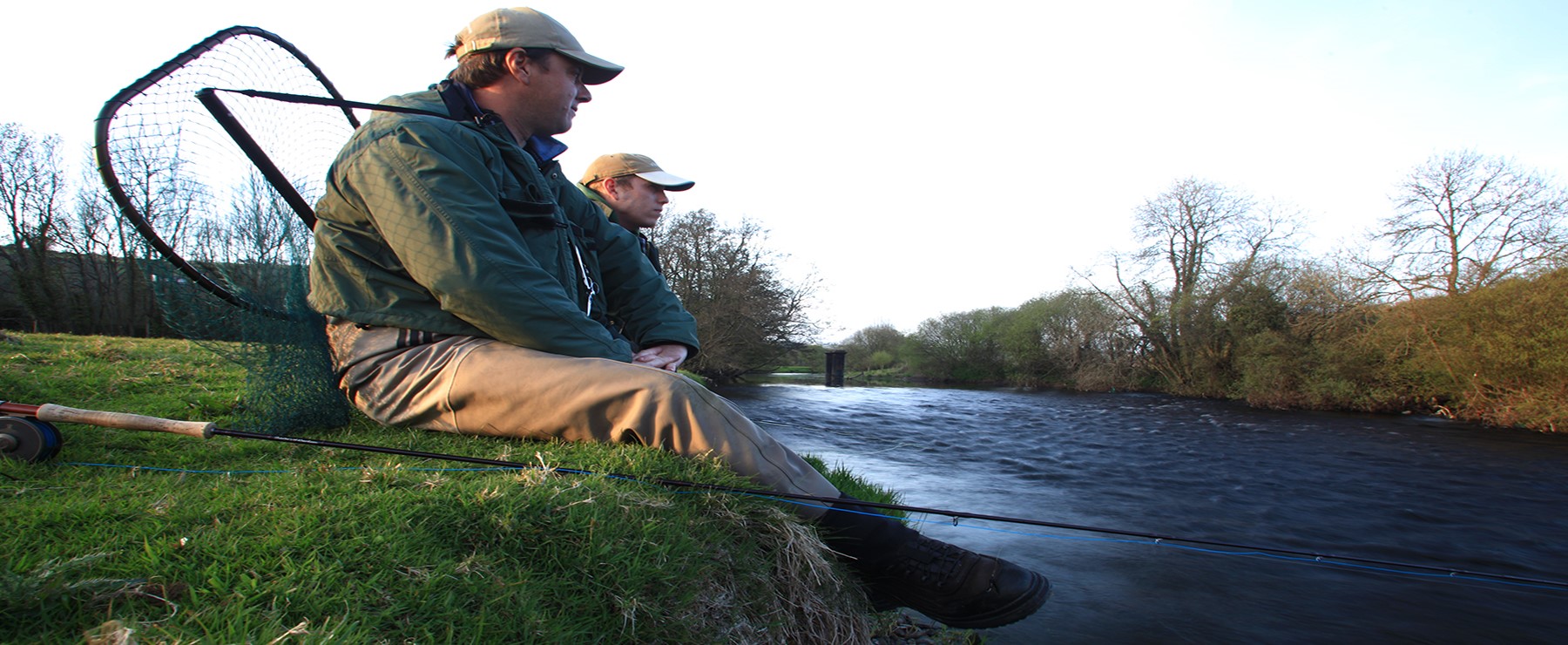
Following a spate, spinning and bait fishing are productive through the day. But, once the river settles to its normal summer level, it is time for the serious business of flyfishing. The best times are about an hour before dusk until midnight, although if you have the stamina some big fish are taken each season by the all night flyfisher.
A fly rod of around nine to ten feet matched to an AFTMA No.7 floating line, and an eight pound level nylon leader are ideal - however, a lighter river trout fishing outfit will manage the smaller summer fish without too much trouble.
For spinning, the quill minnow is a superb lure for sewin. Mepps and spoons will also tempt fish, particularly when the water is coloured.
The Teifi still gets a reasonable spring run of salmon most years. Late March to the end of May are the best months for those seeking a silver springer. Fish between 20 and 30 pounds are not unheard of, even nowadays, and in the not too distant past we have had springers approaching 40 pounds - a test for both the angler and the tackle. Bait fishing and spinning with a weighted Devon or an Irish minnow account for many spring fish, but with the advent of fast sinking leaders more anglers are finding spring sport with flyfishing tackle.
The summer grilse run is most unpredictable. Some years grilse are up in good numbers in August, but in dry summers they hold back until mid September when the main autumn run of large salmon ascend the river.
Local anglers rarely use a double handed rod, as a powerful Stillwater trout rod will usually cope with salmon on the Teifi unless the river is running very high.
For spring and autumn fishing, 15 pound nylon is advisable, while in summer it is possible to fish a little finer; but 10 pounds is a sensible minimum.
More detailed guidance on flyfishing tactics for the River Teifi is available here...